Emily Faludy-Grounded
New Paintings
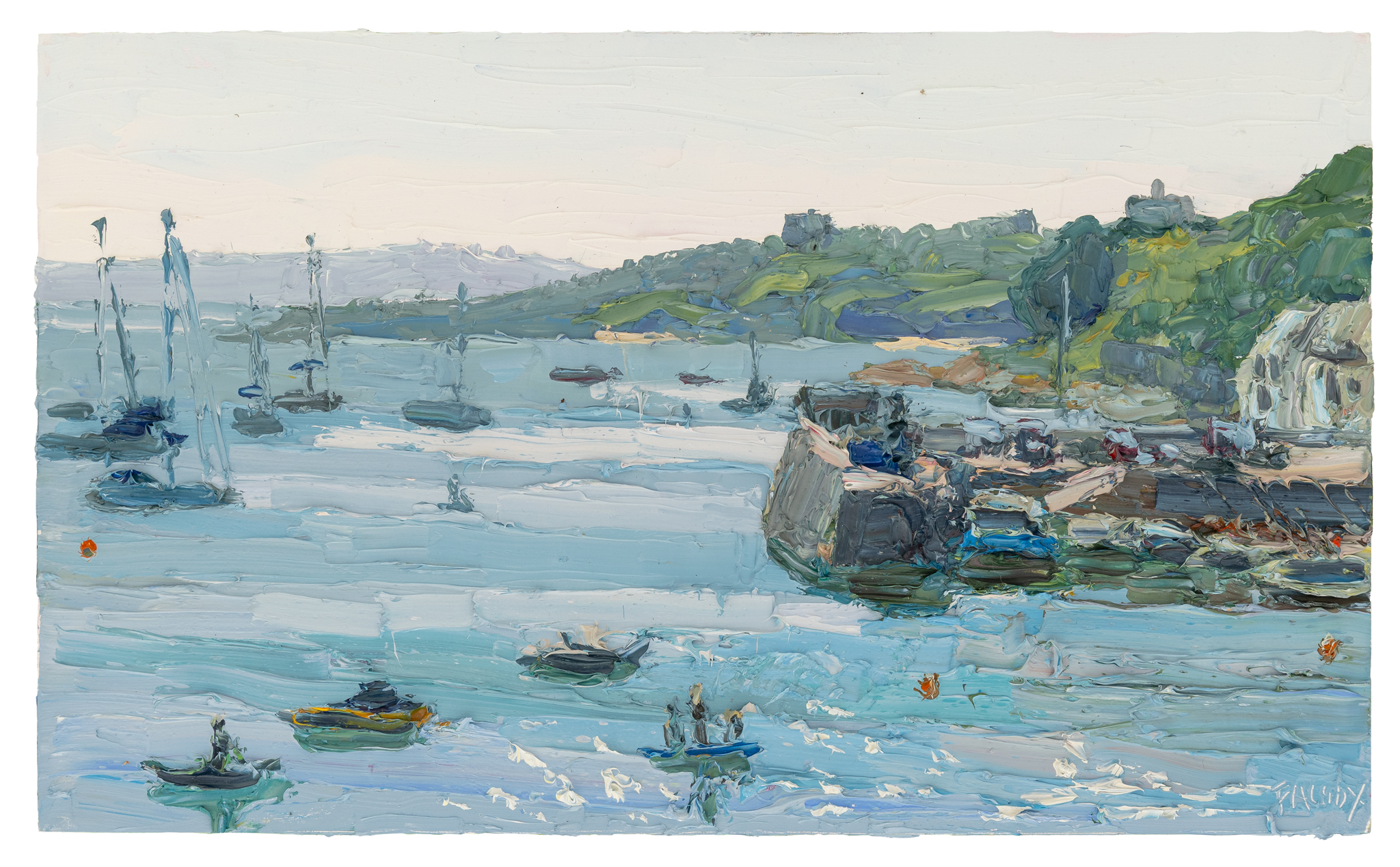
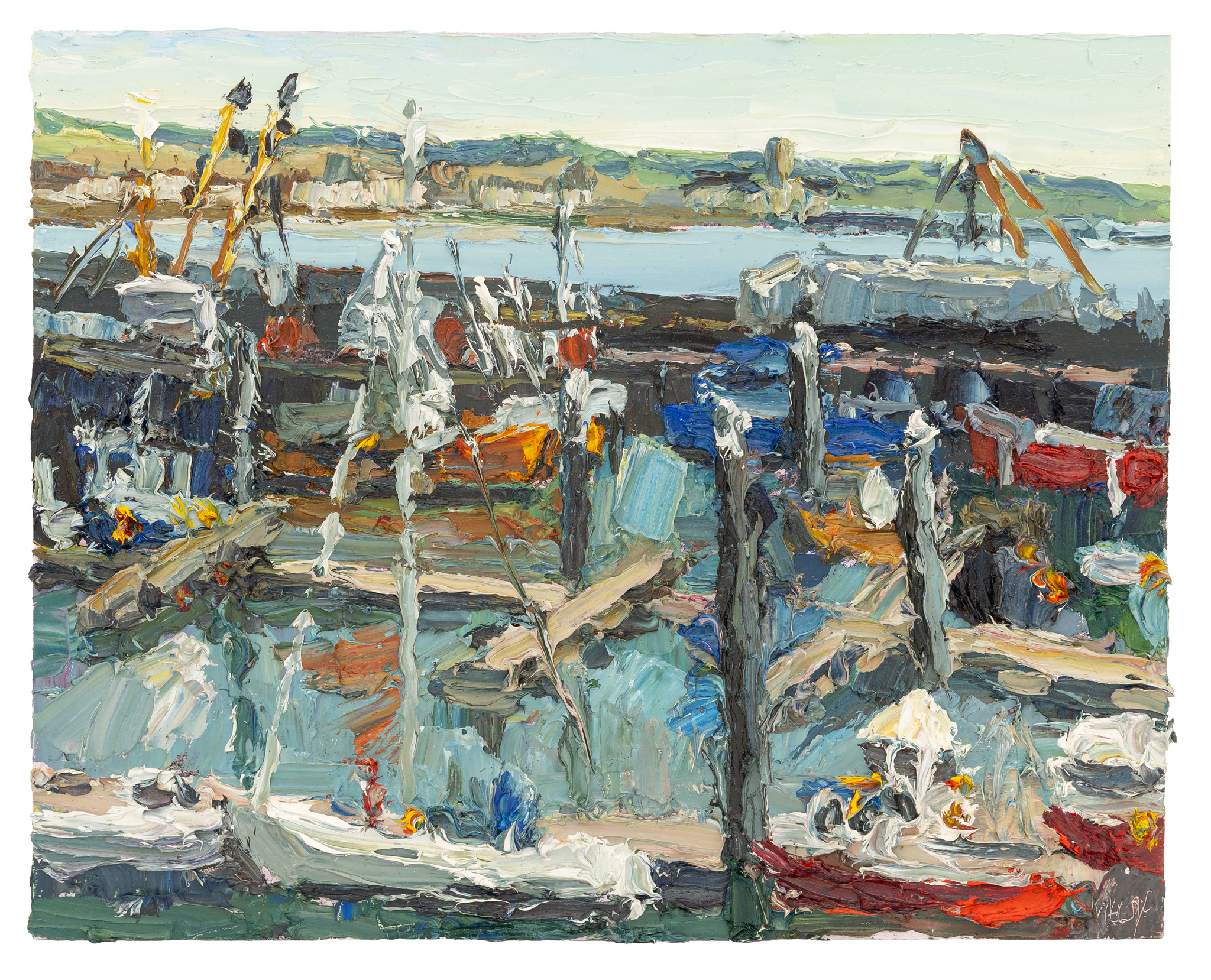
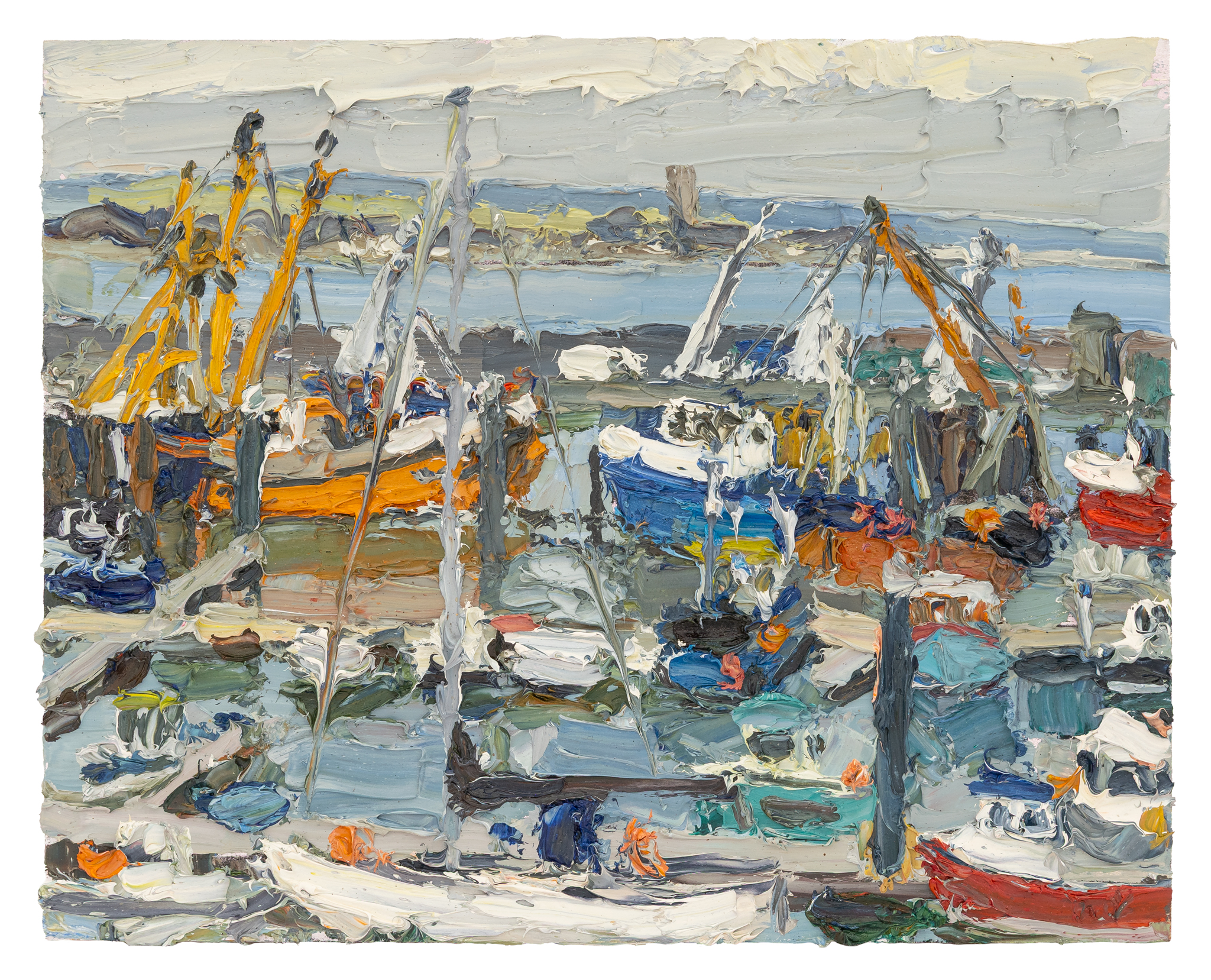
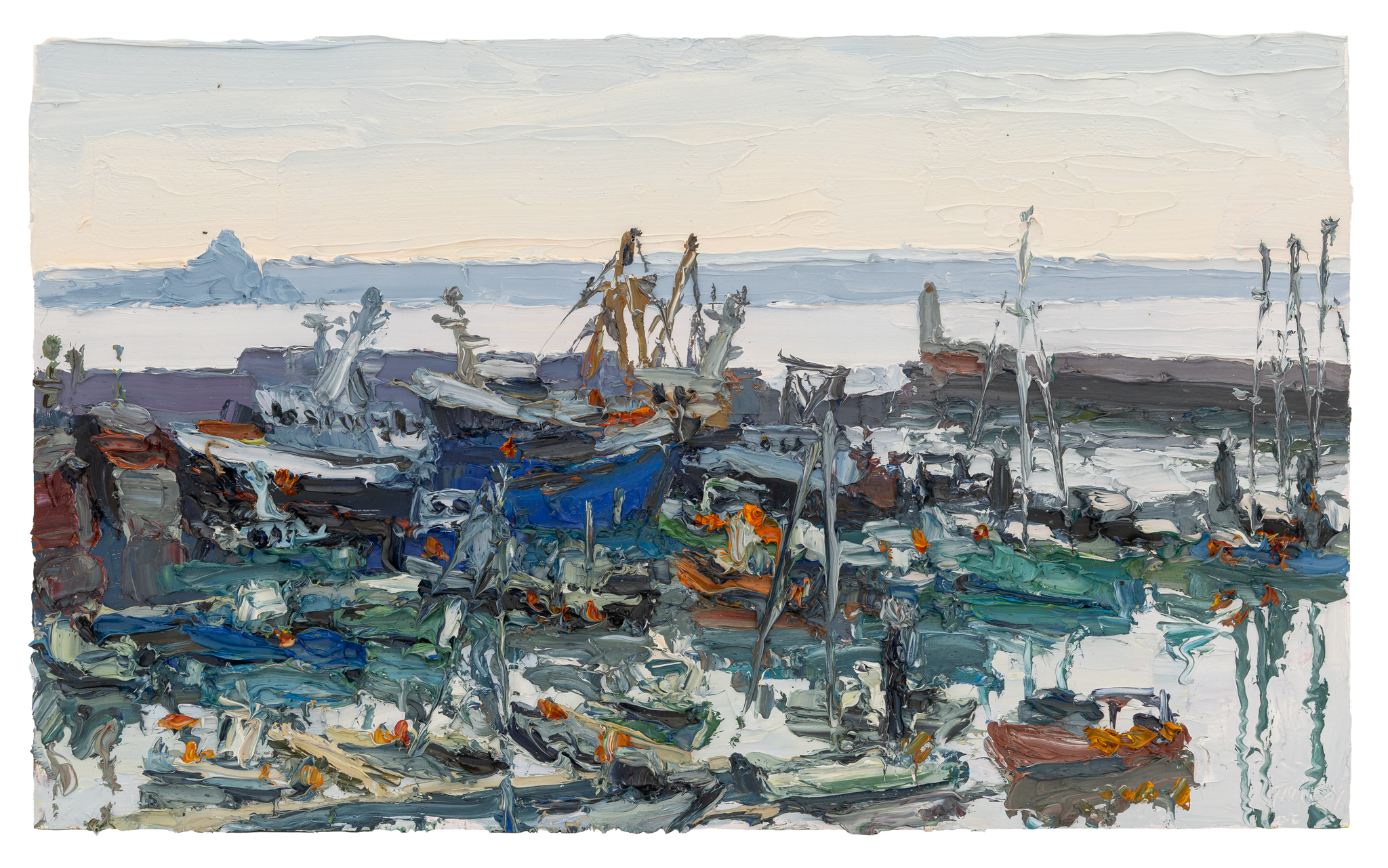
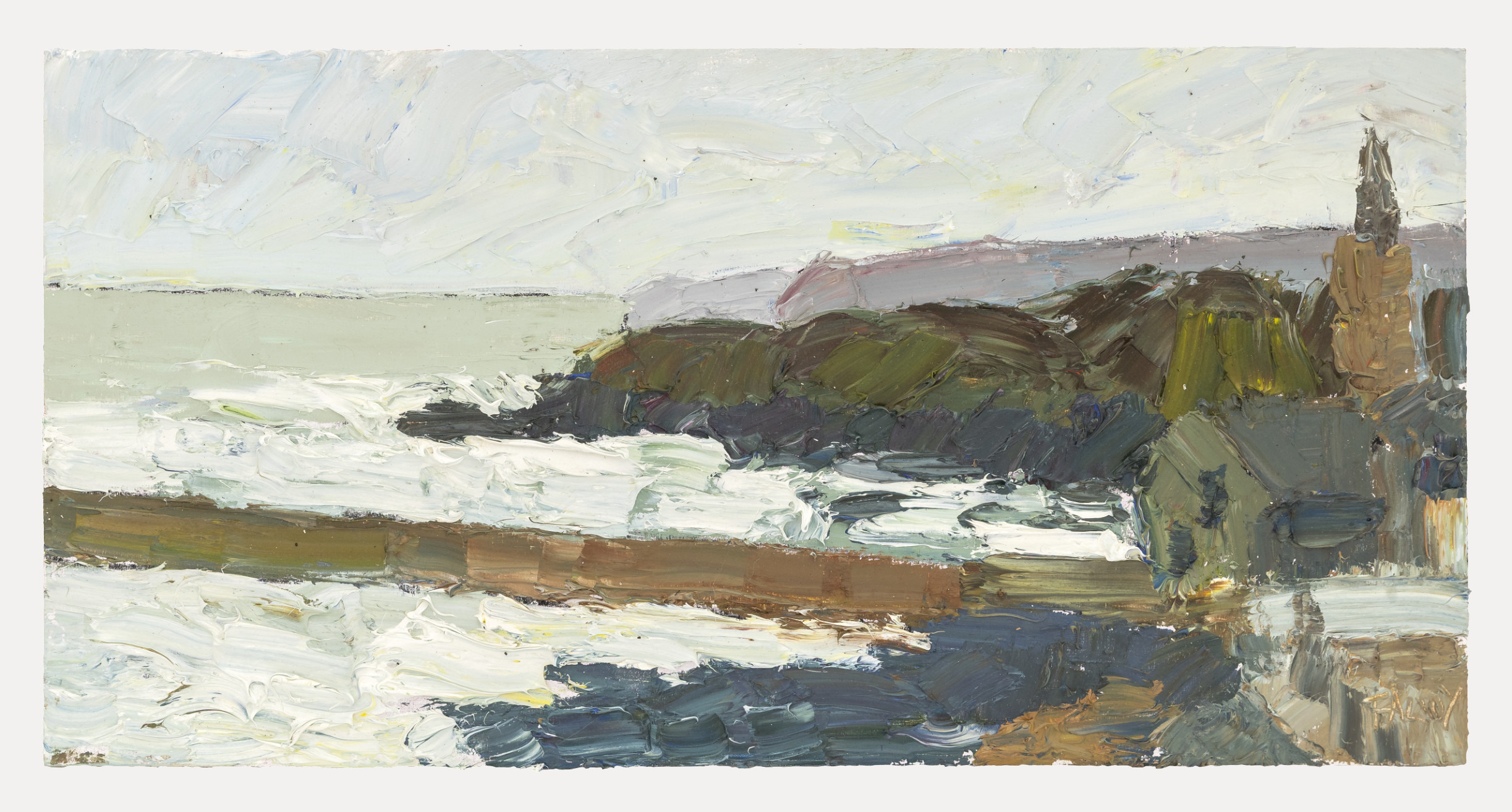
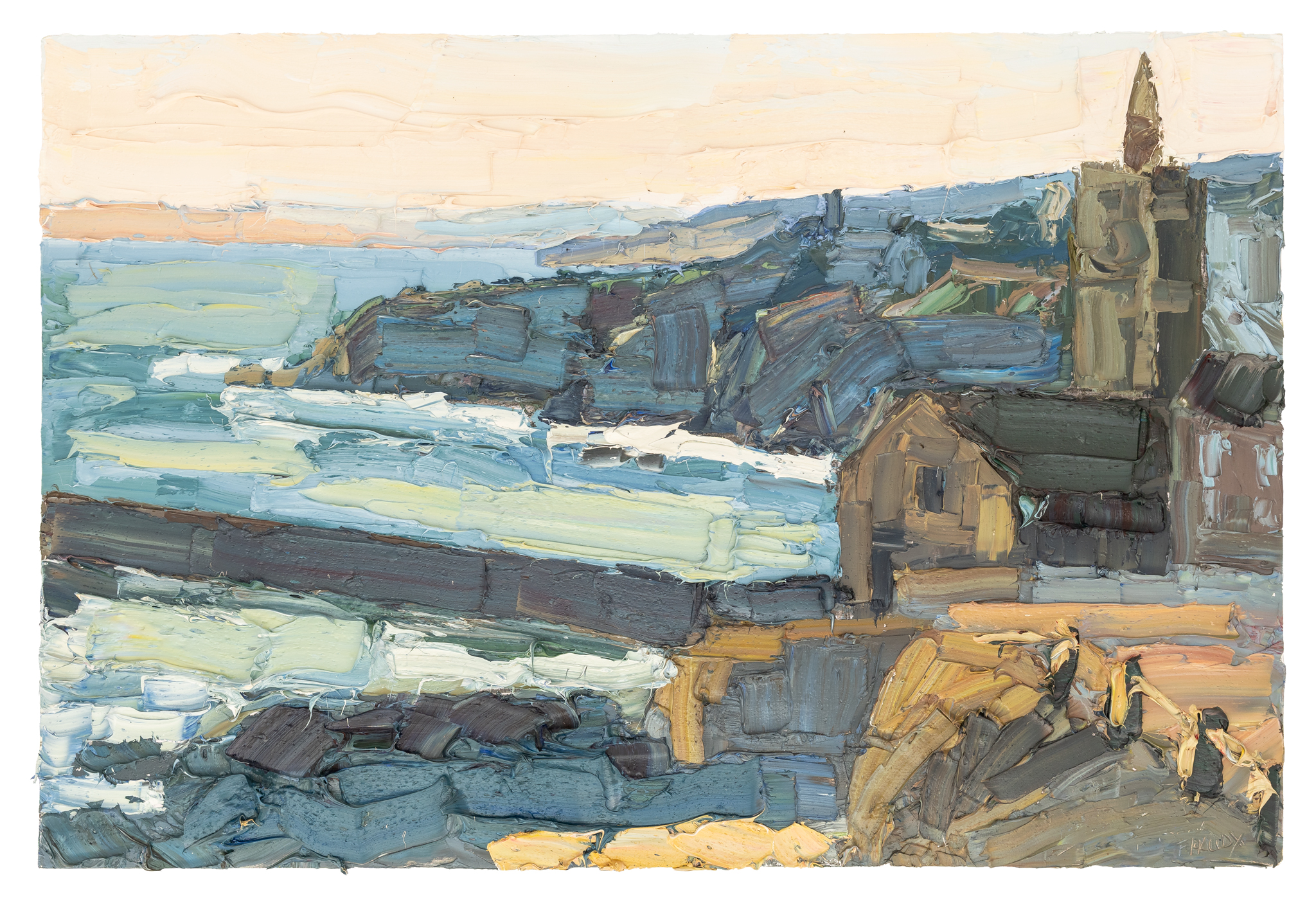
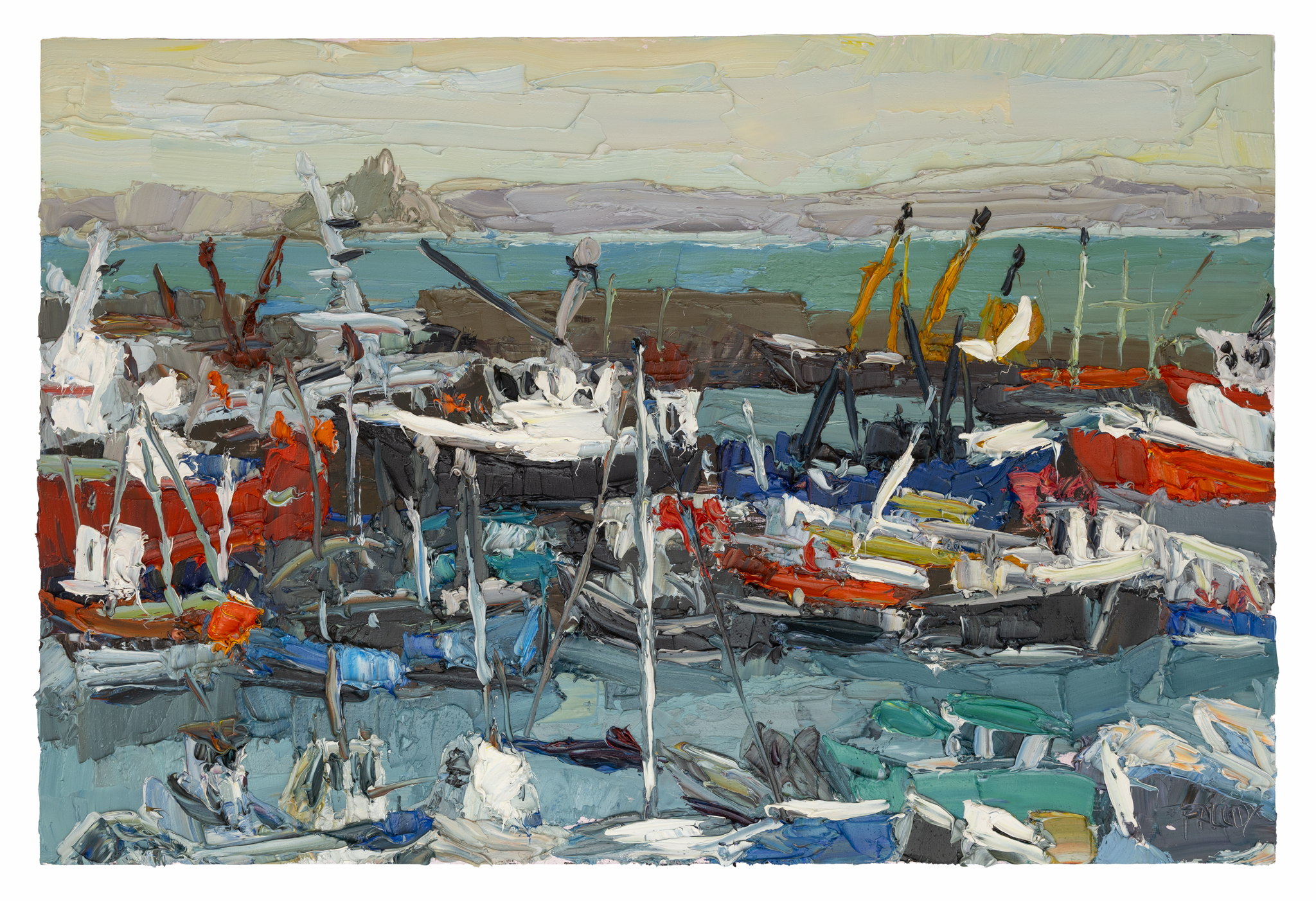
There is an intensity to Emily Faludy’s way of looking. Since moving to West Cornwall, she describes the experience as almost overwhelming: “so much to look at.” Rather than attempting to take it all in, she has found herself looking closer, “zoomed into Newlyn harbour, all the shapes and forms”, and deep diving into the subjects and particular light of her new surroundings.
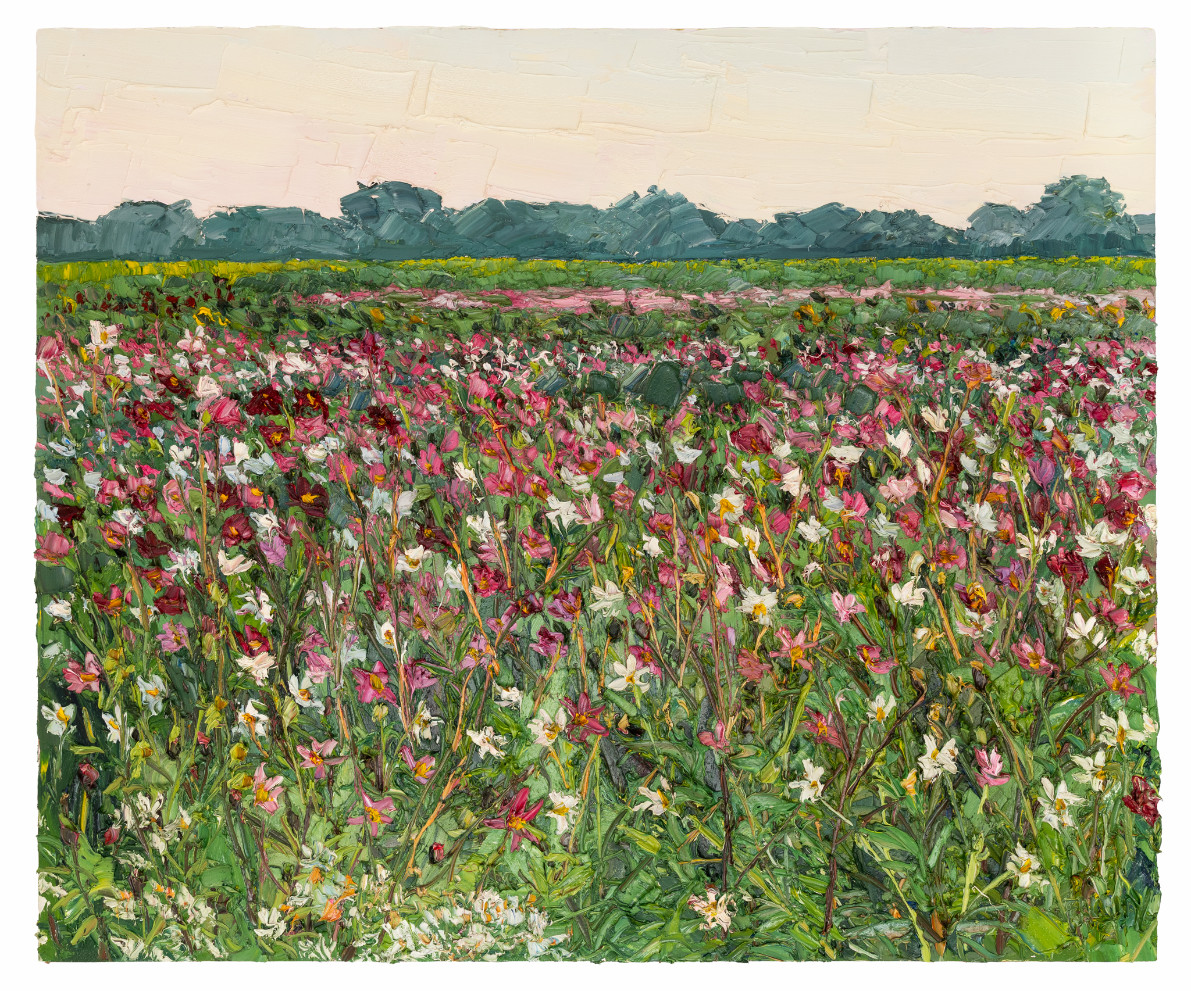
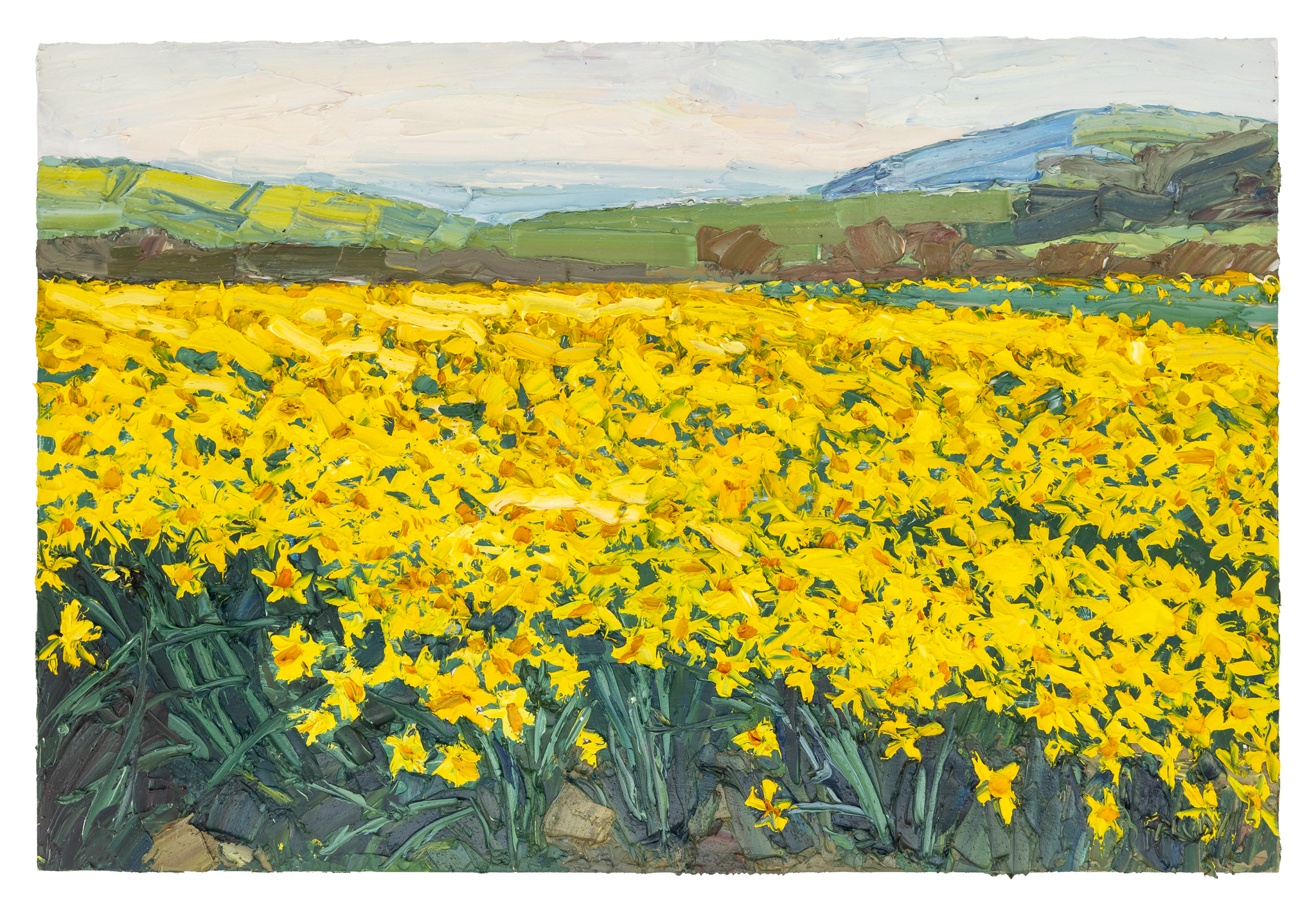
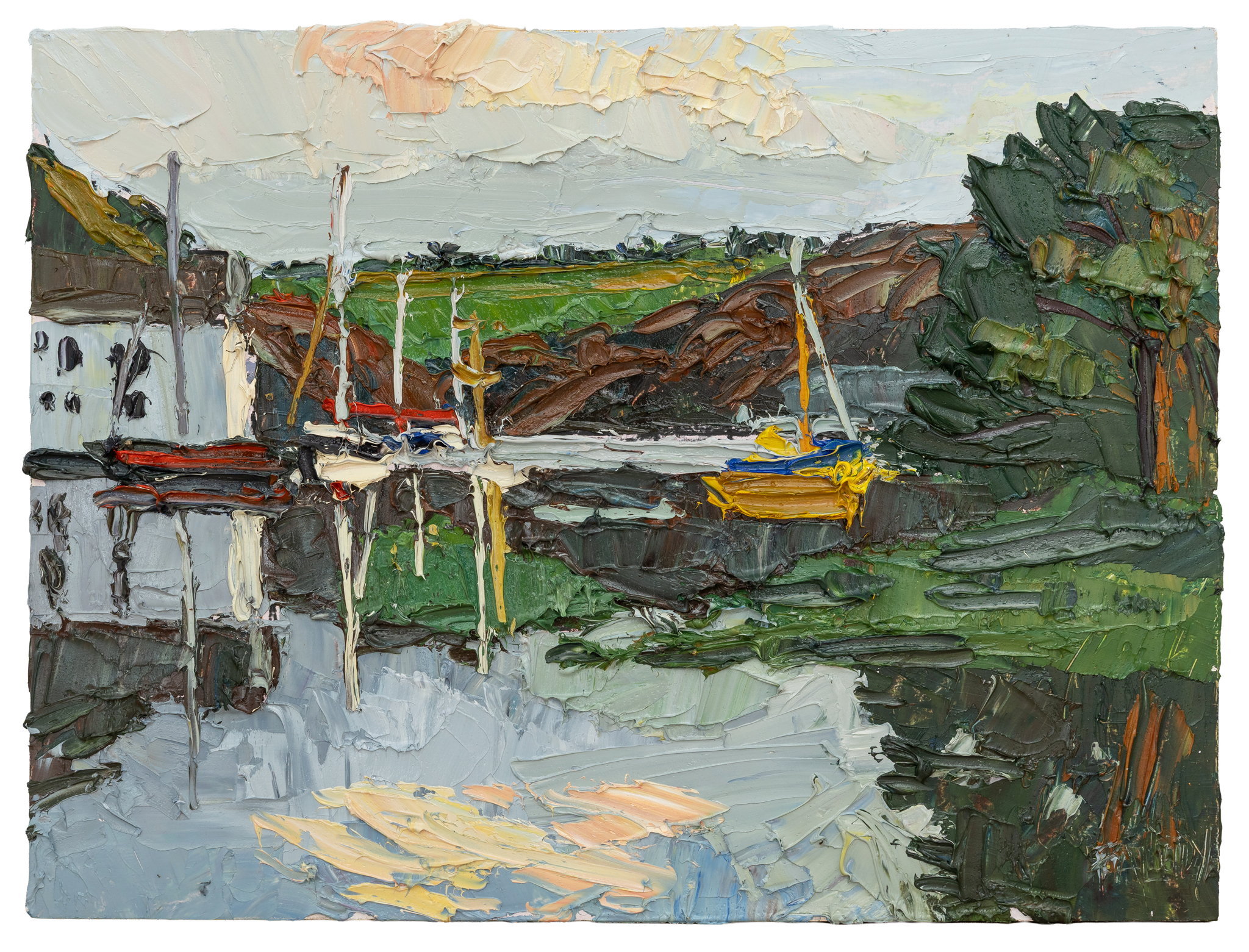
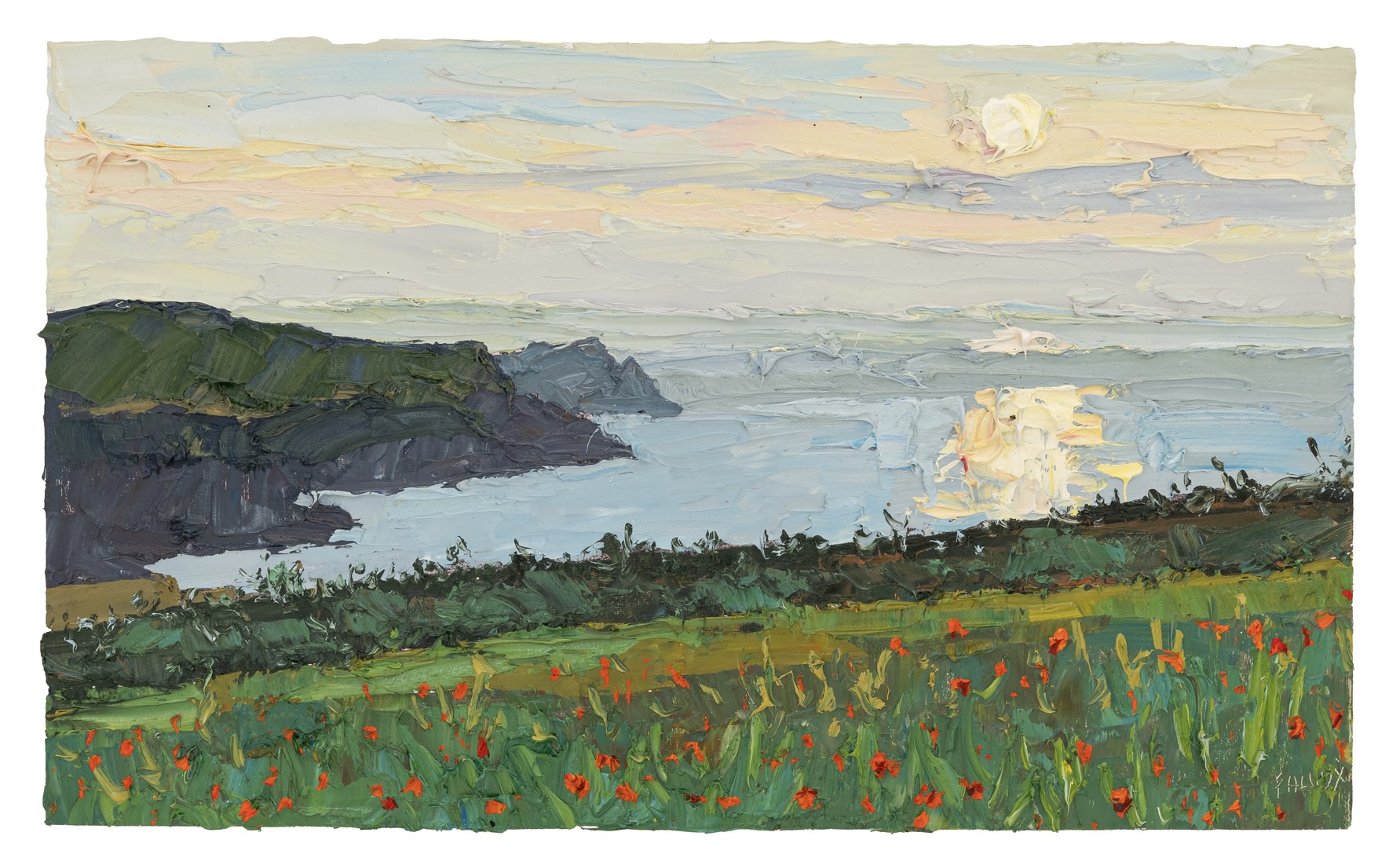
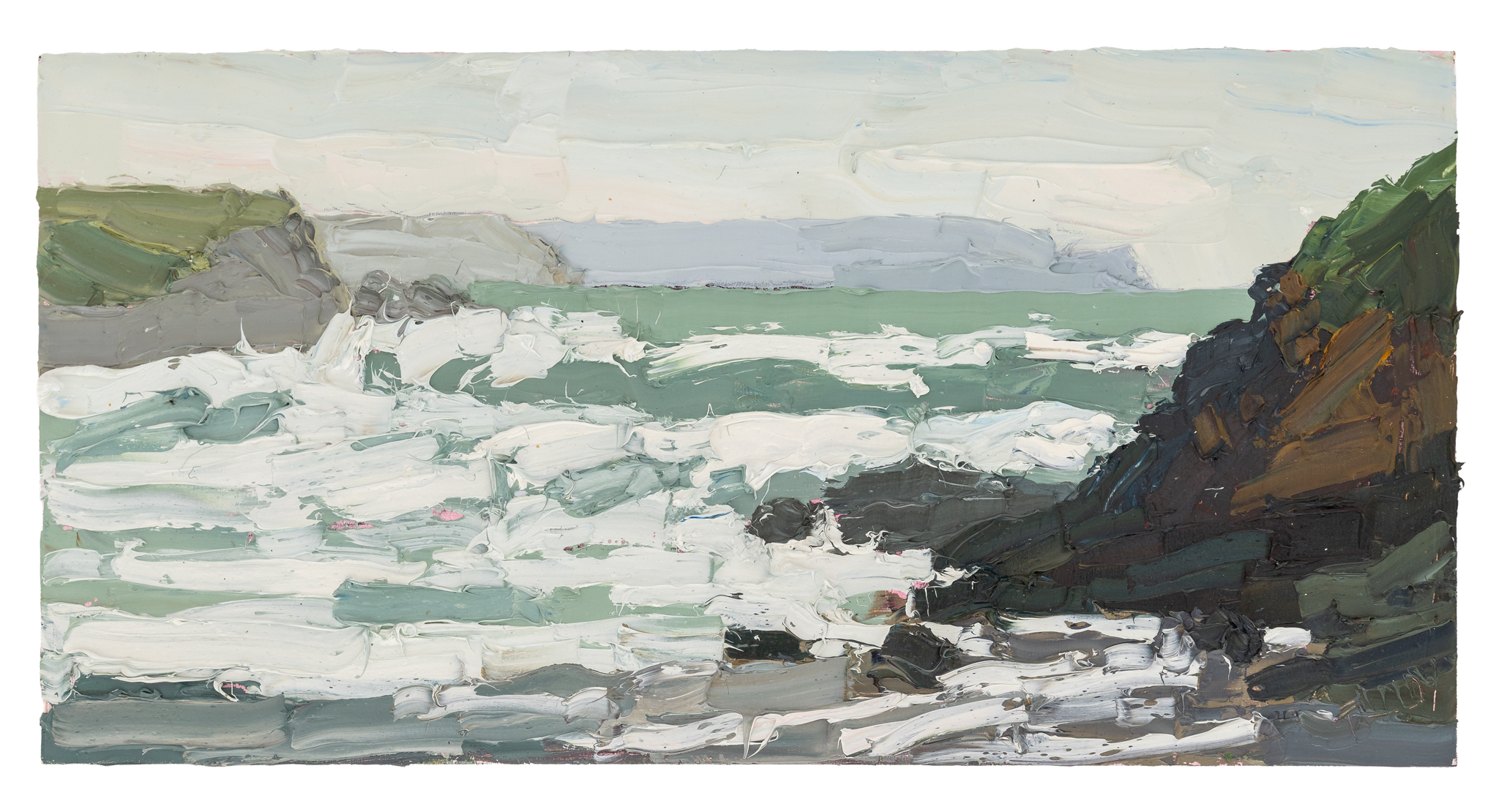
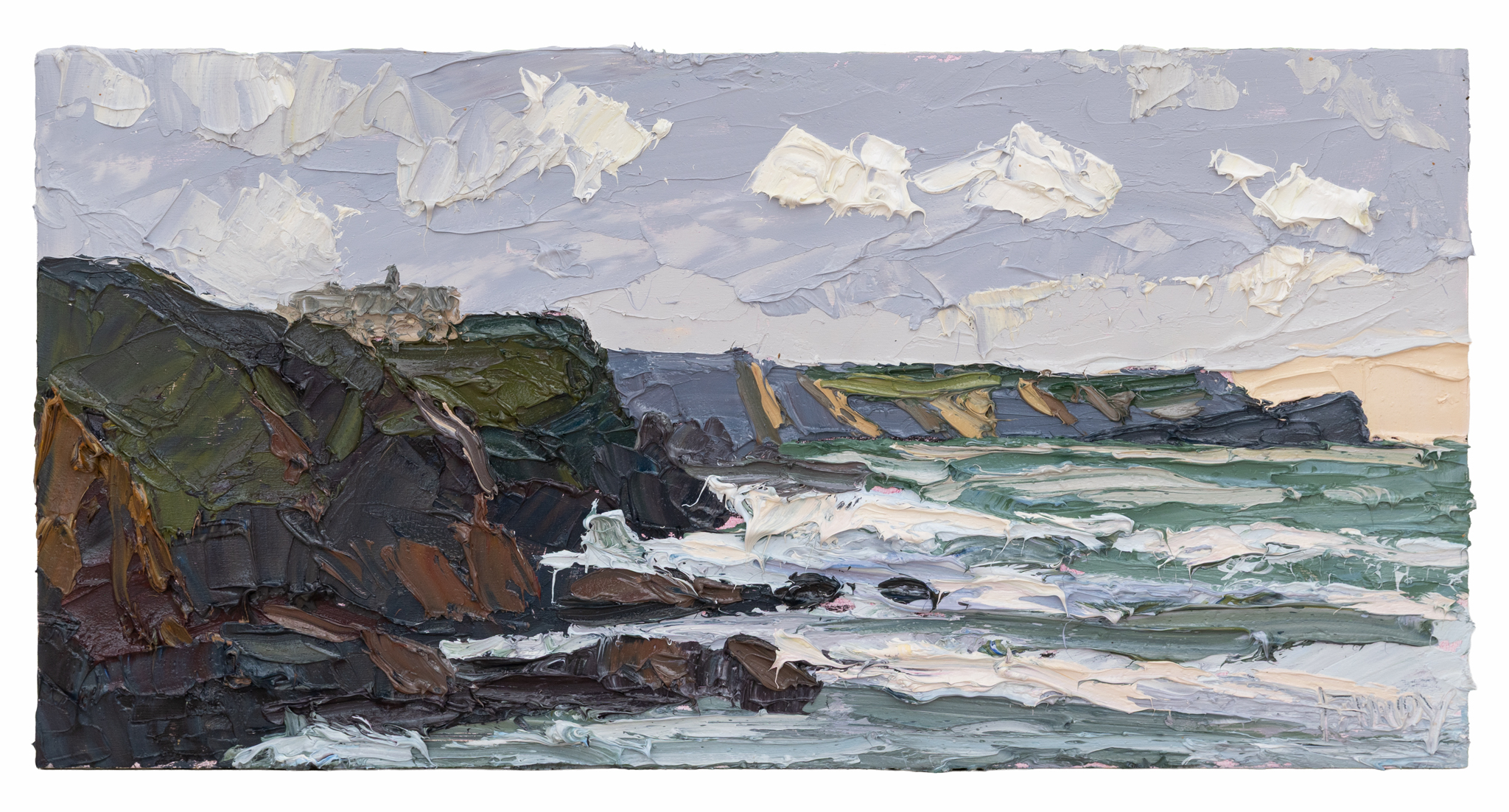
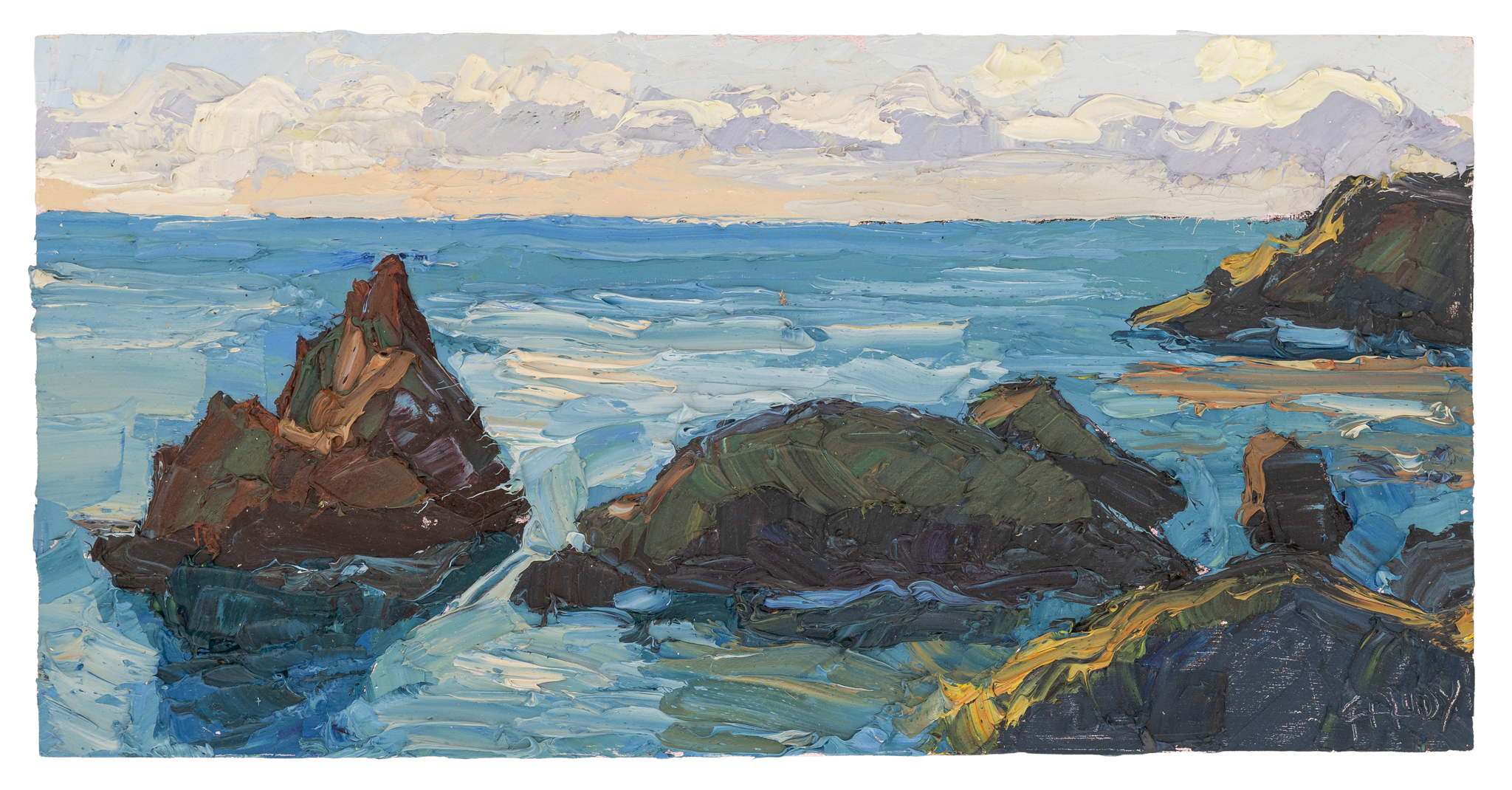
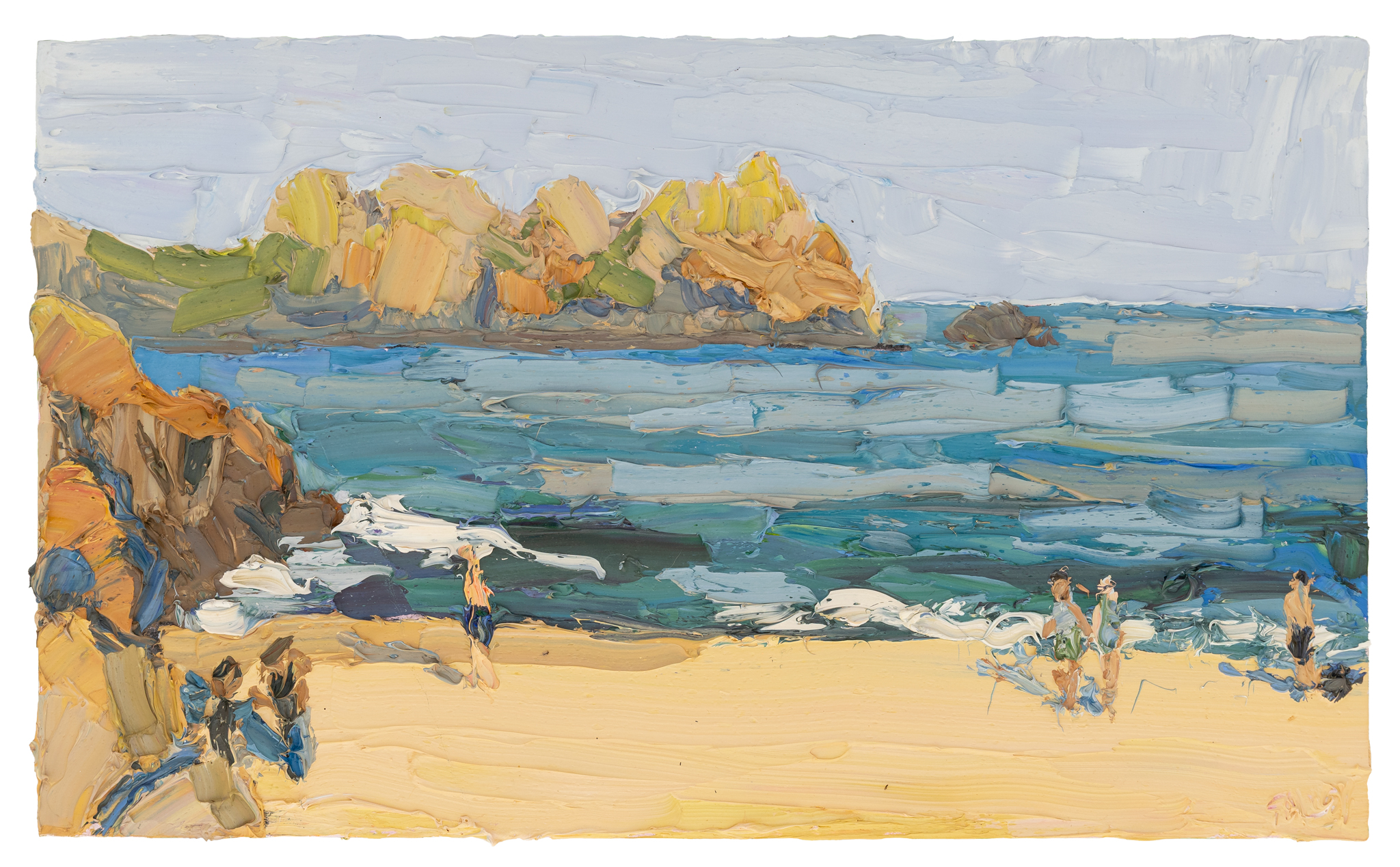
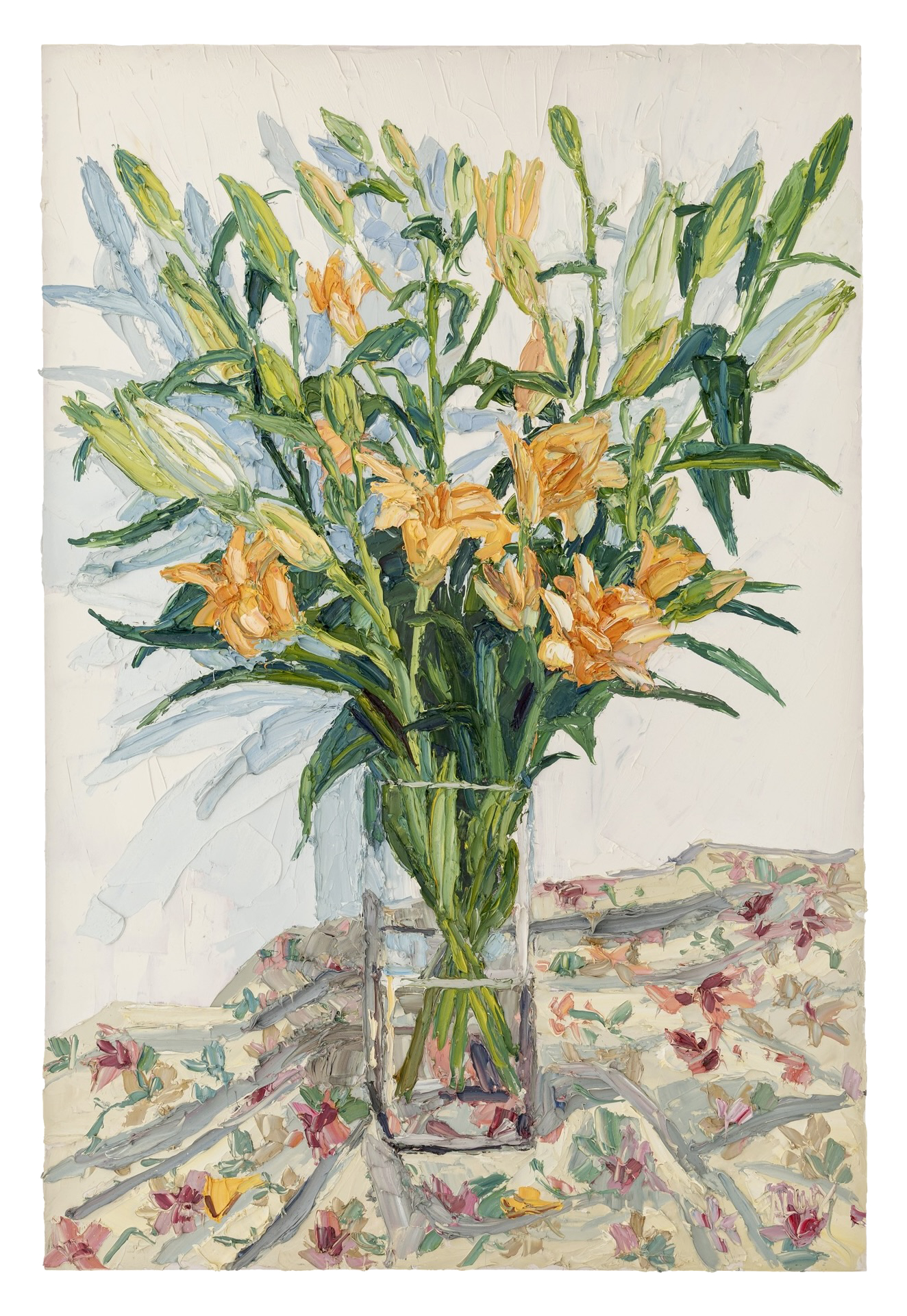
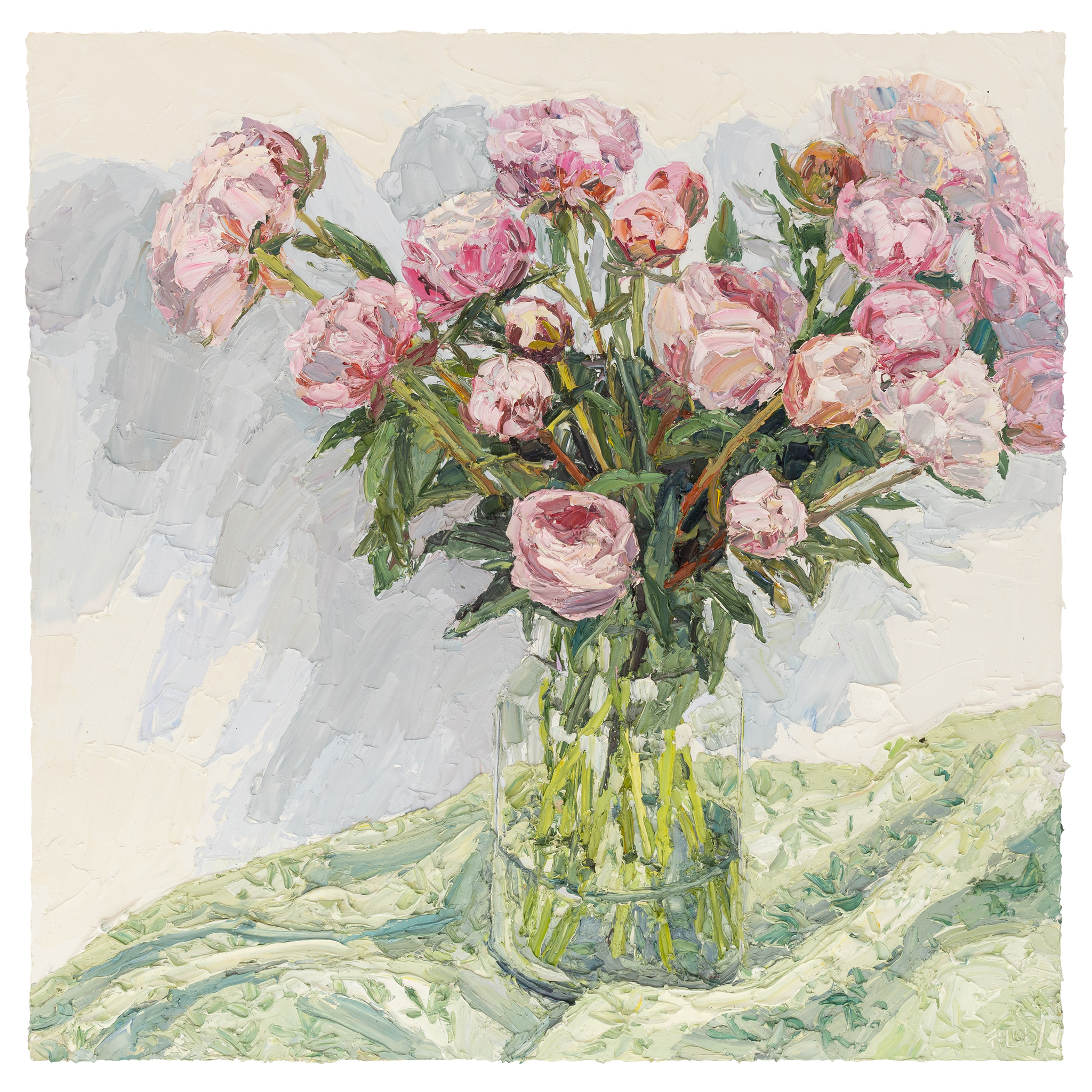
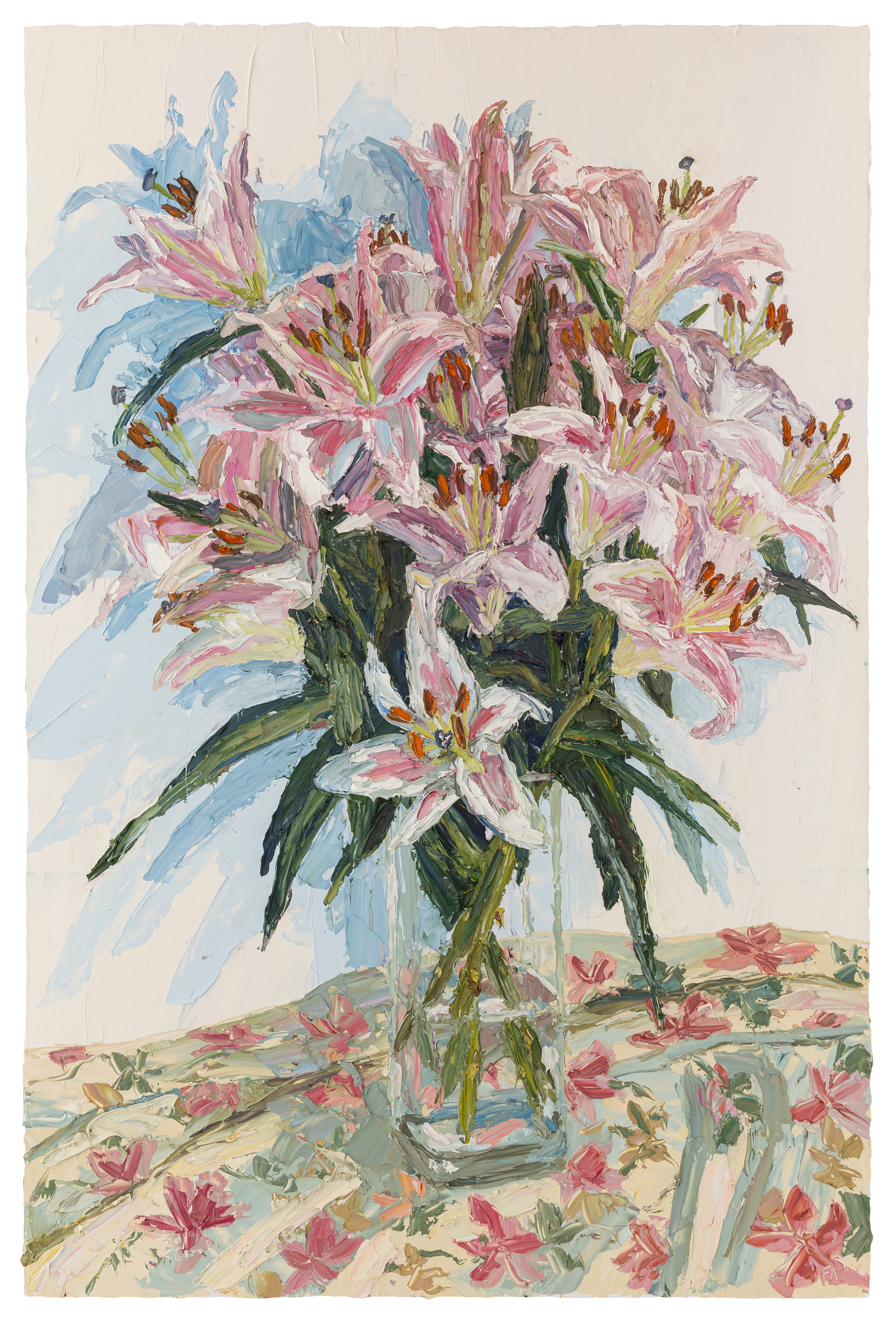
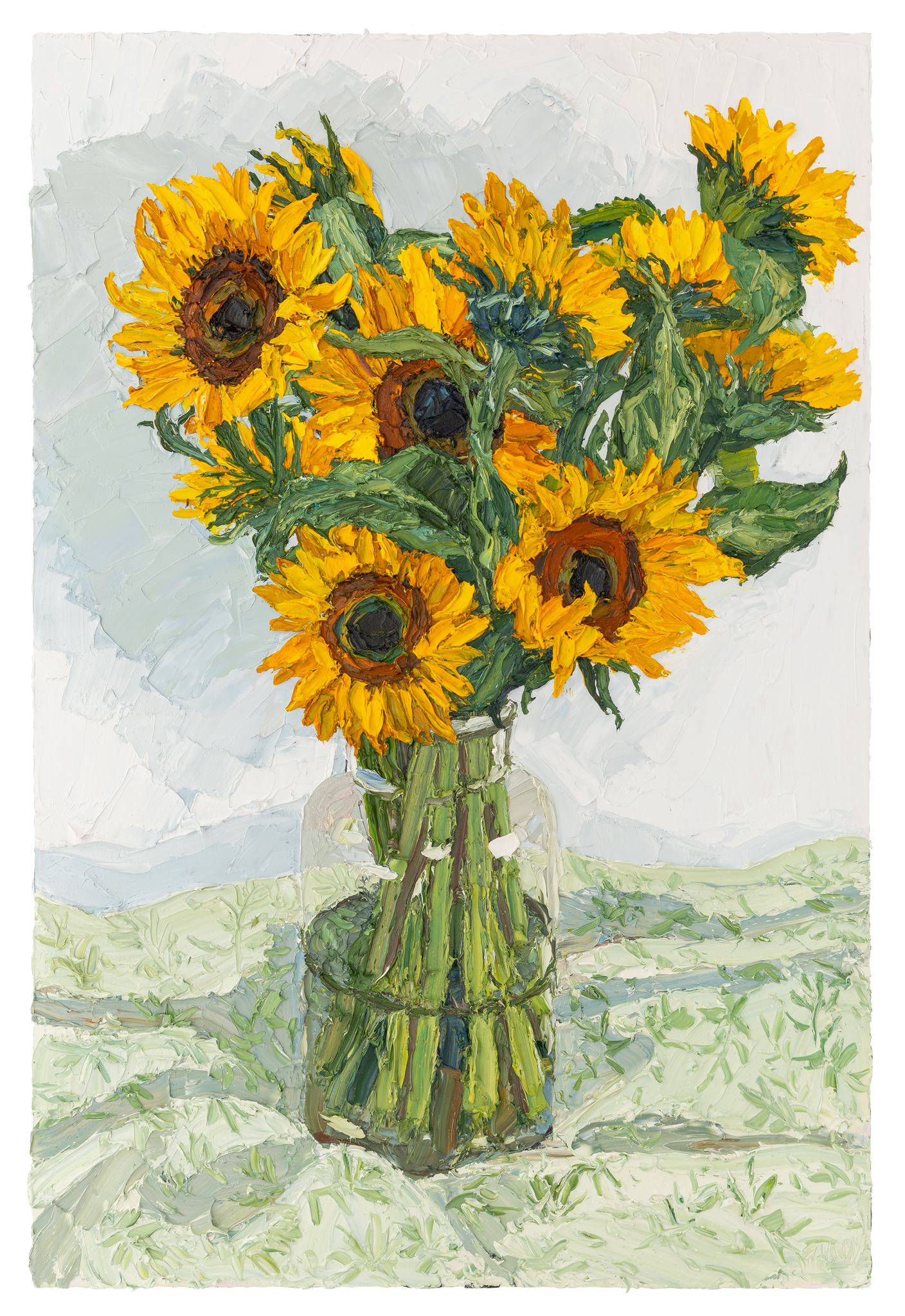
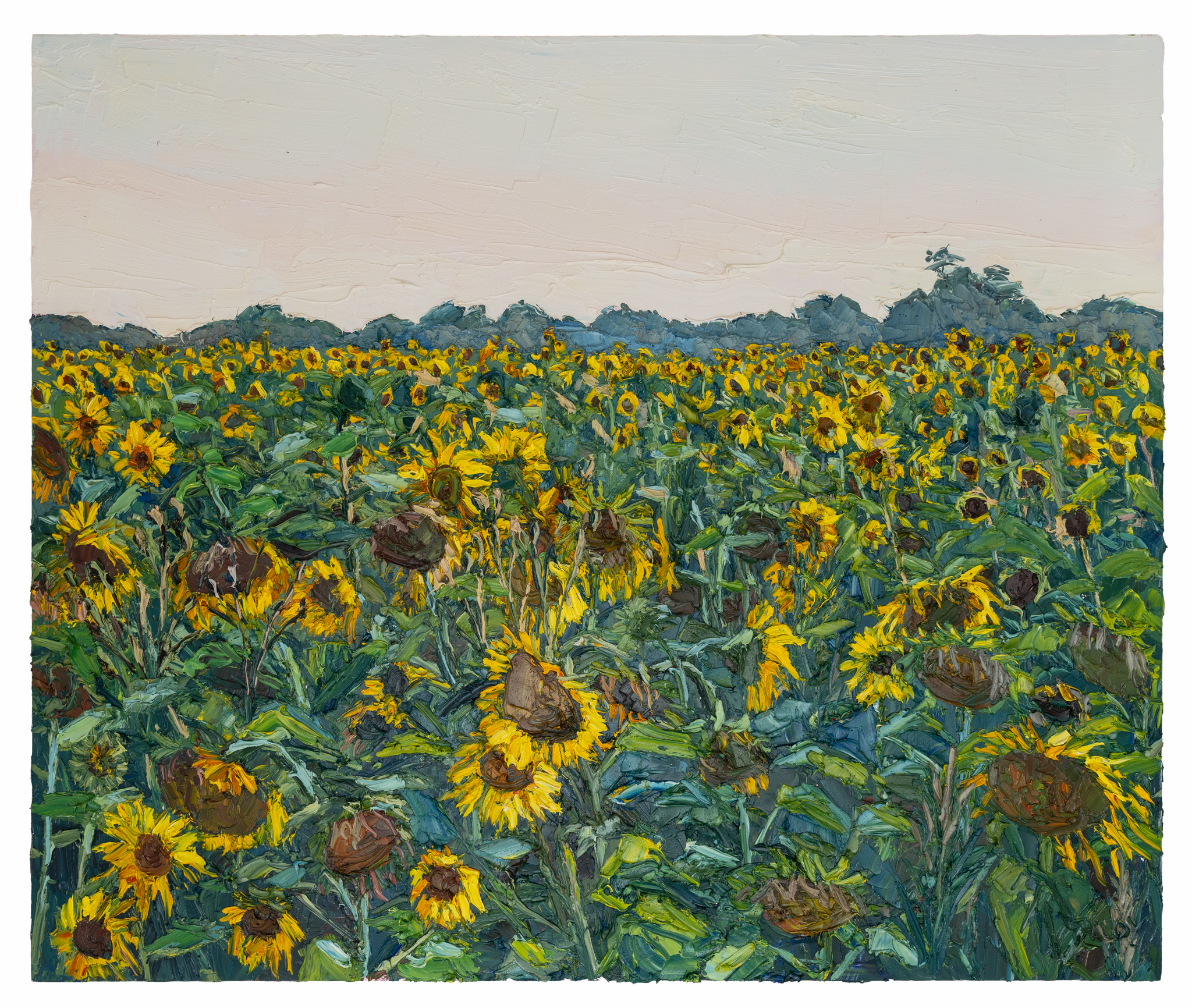
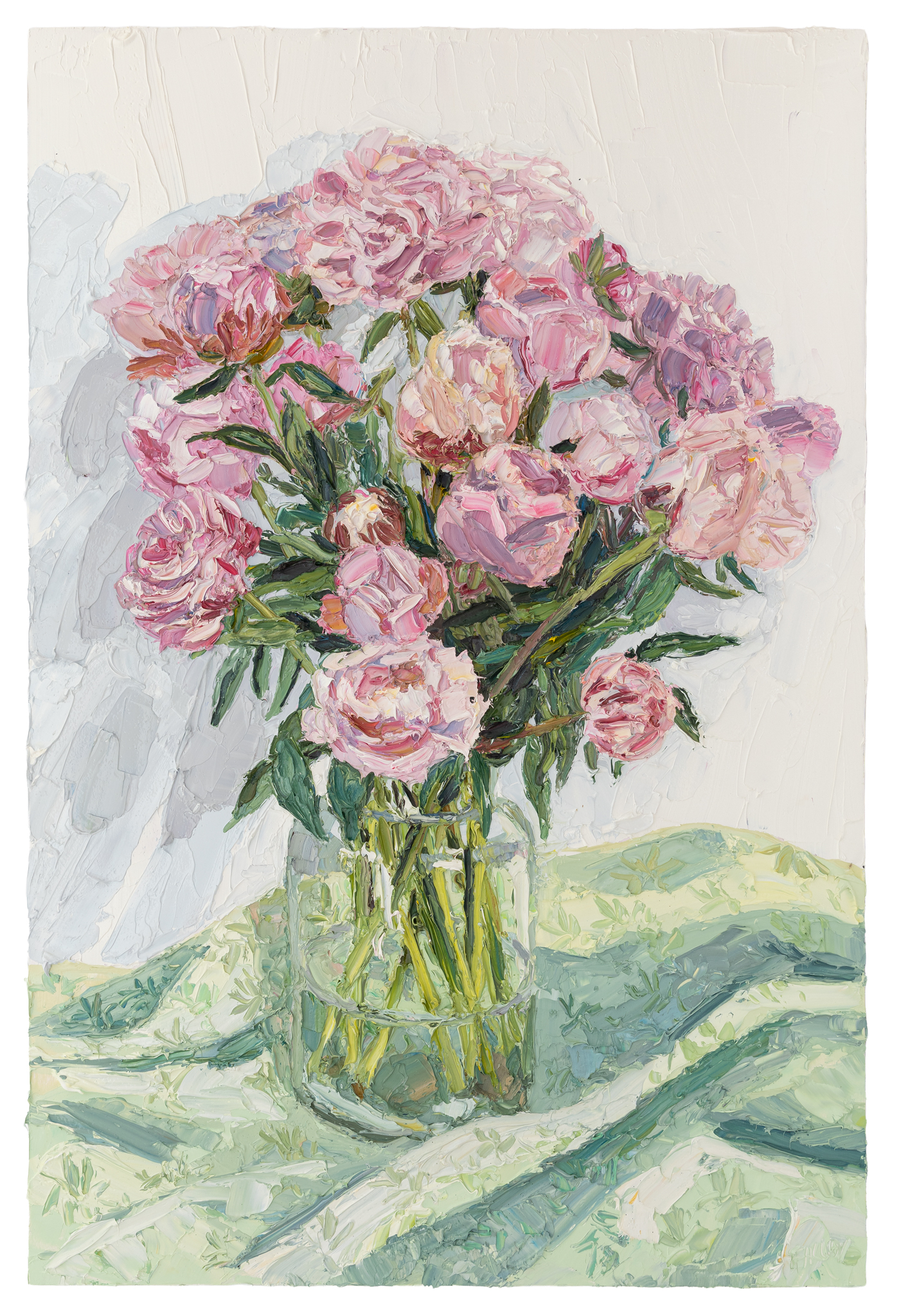
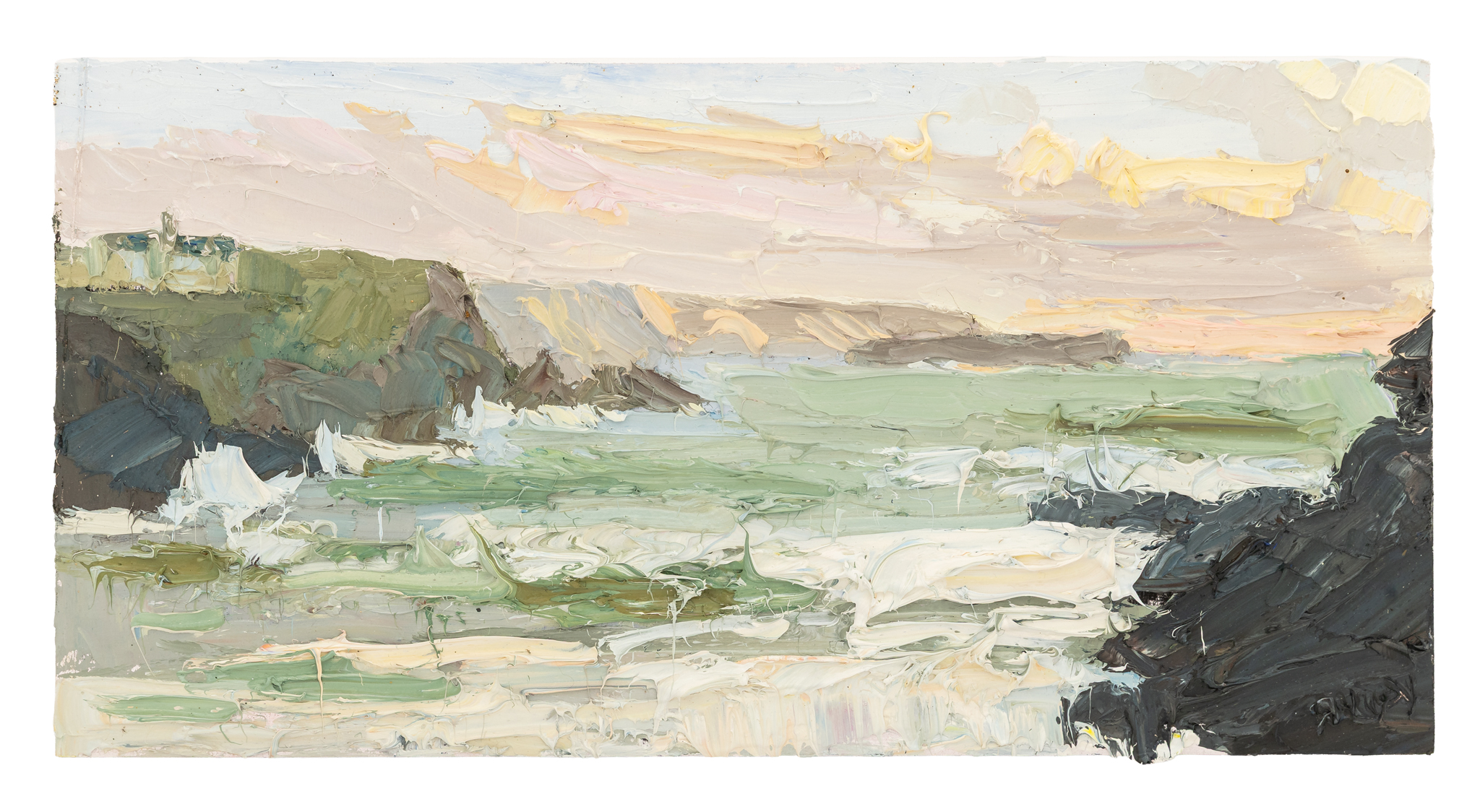
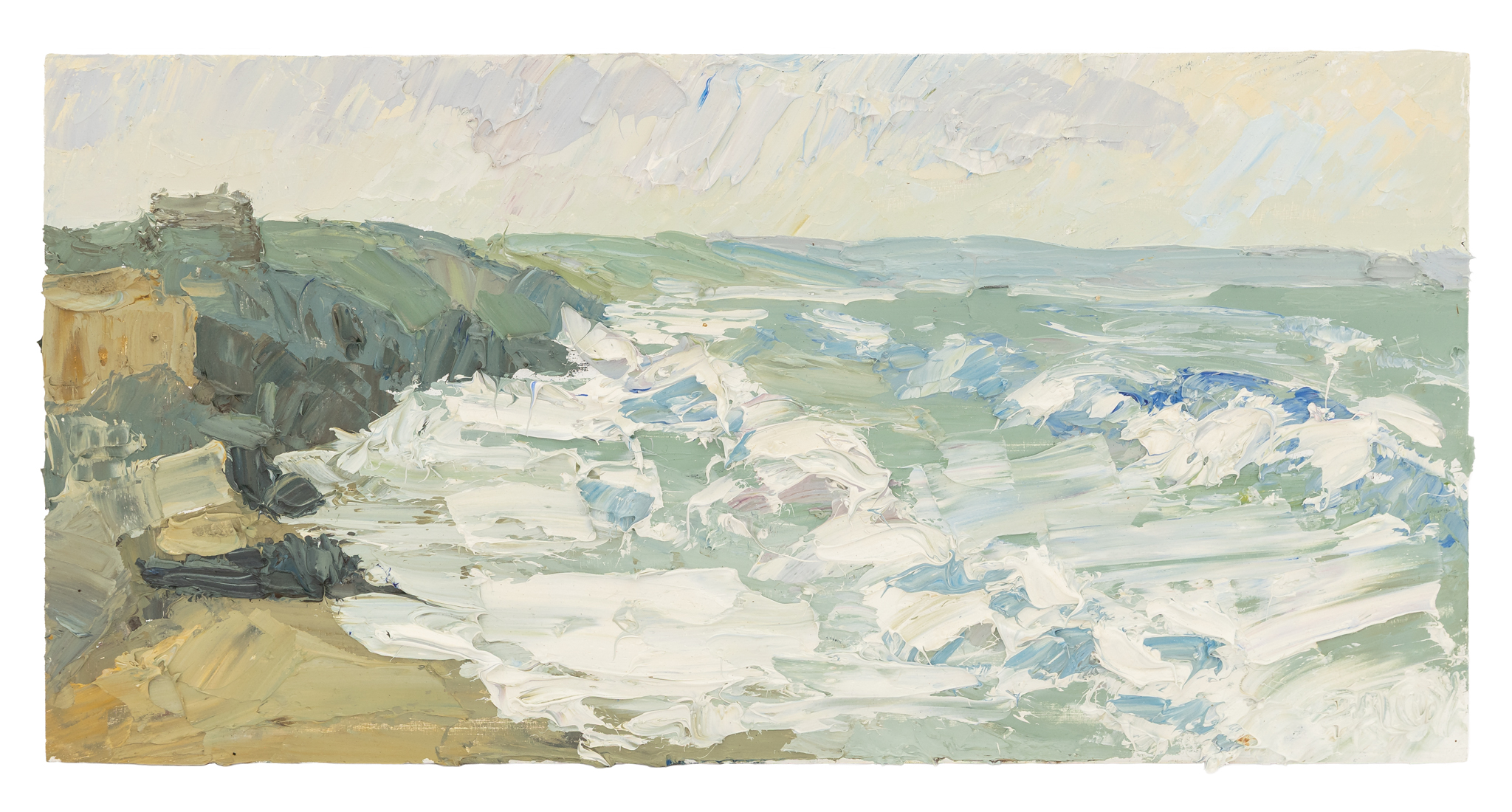
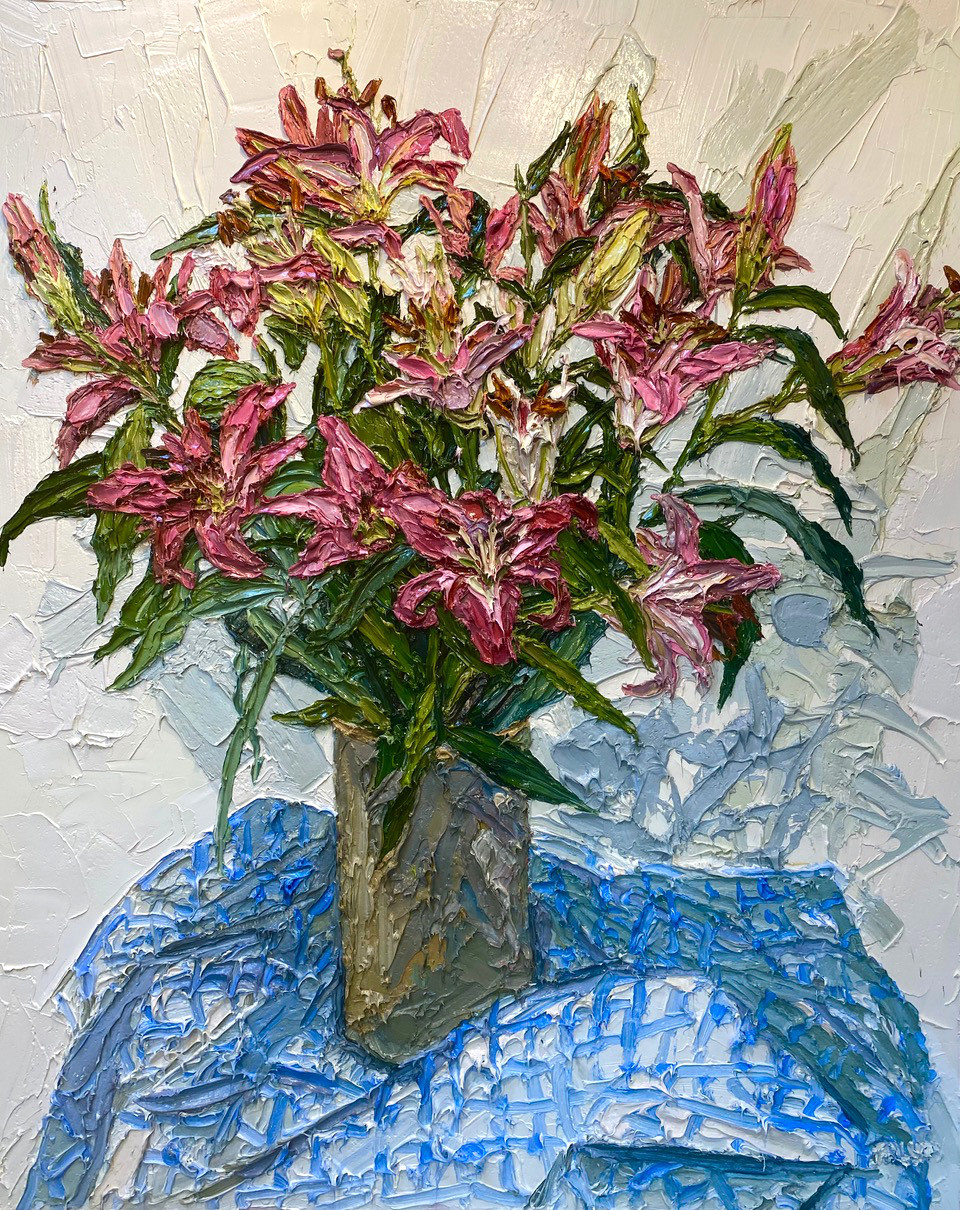
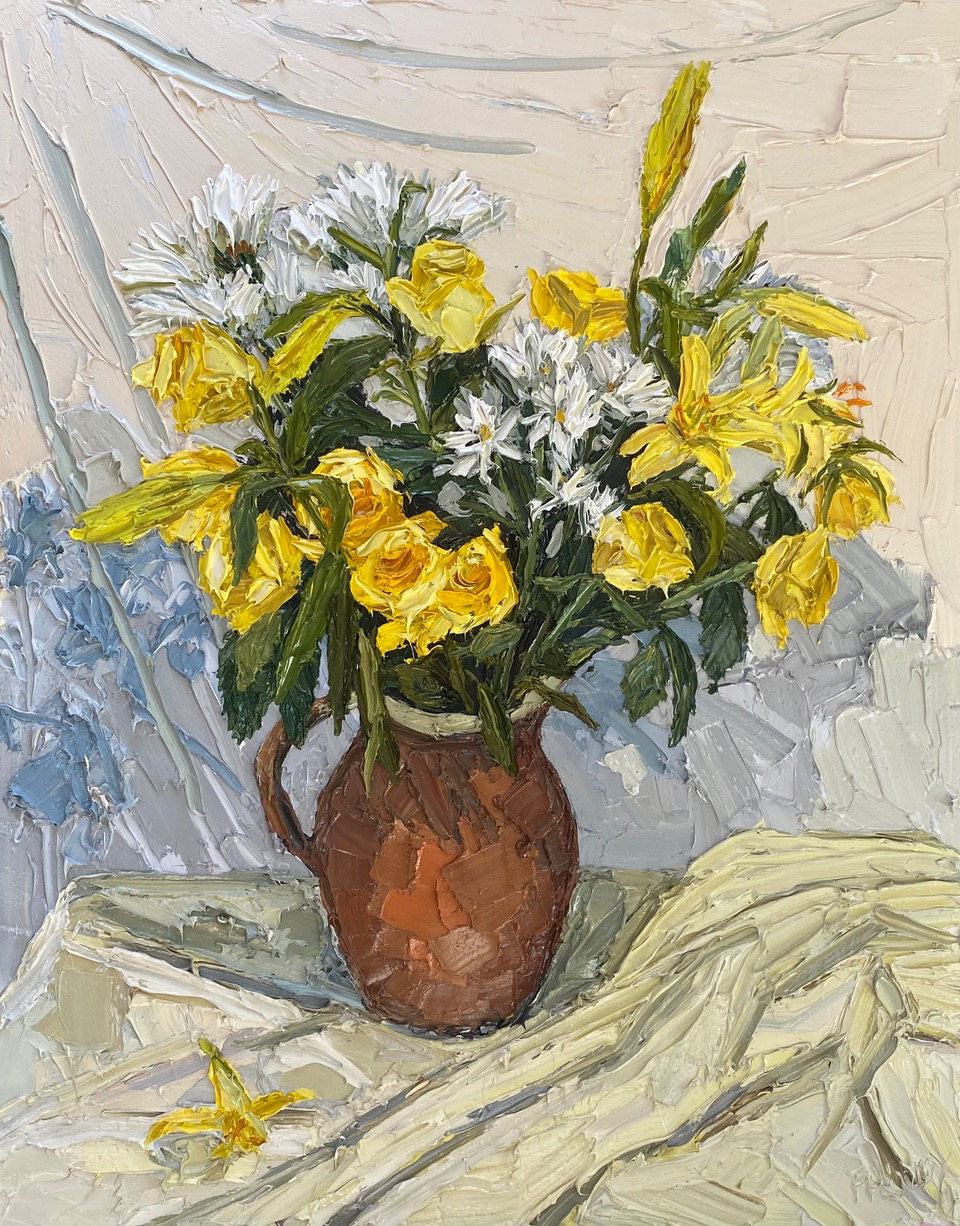
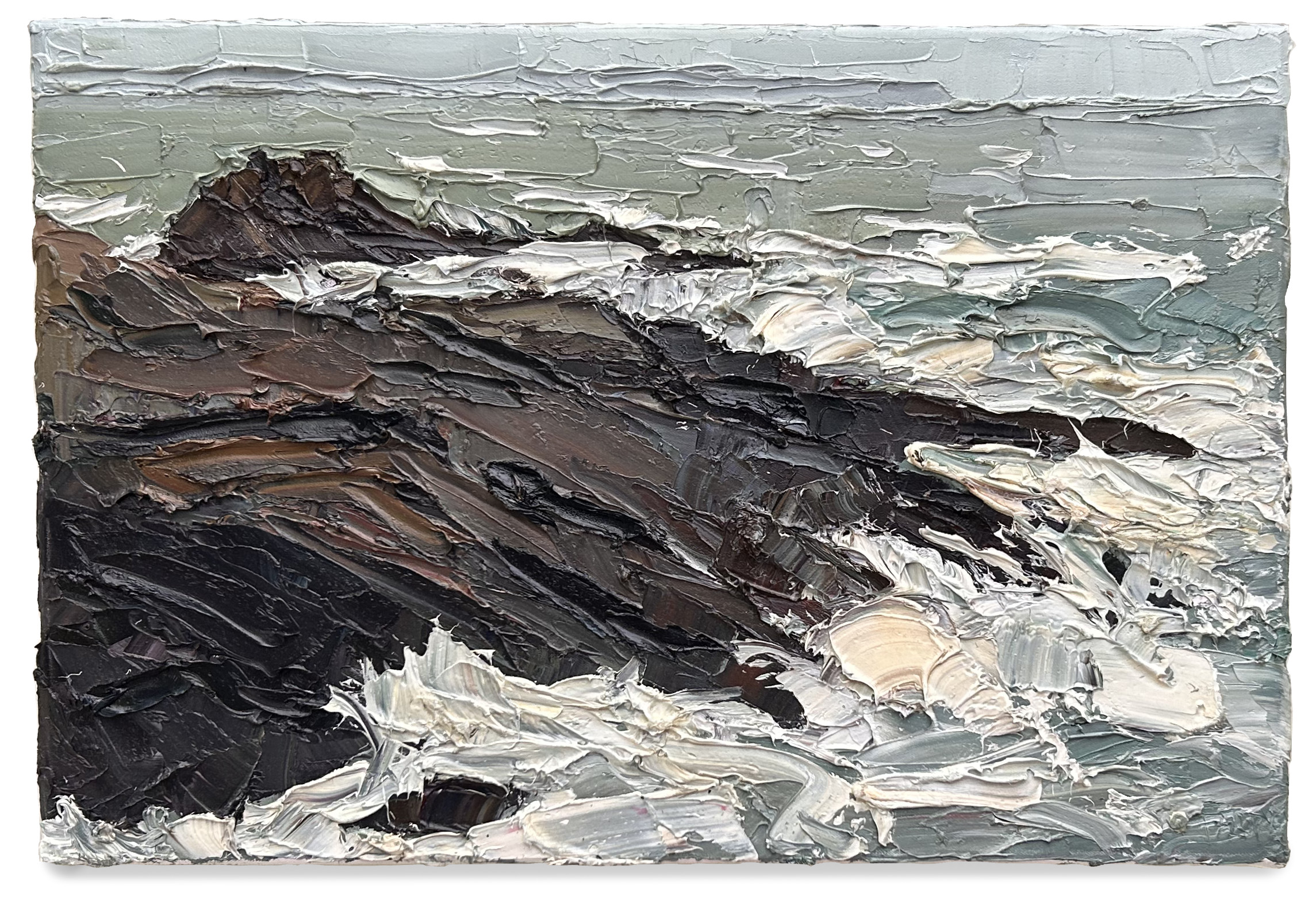
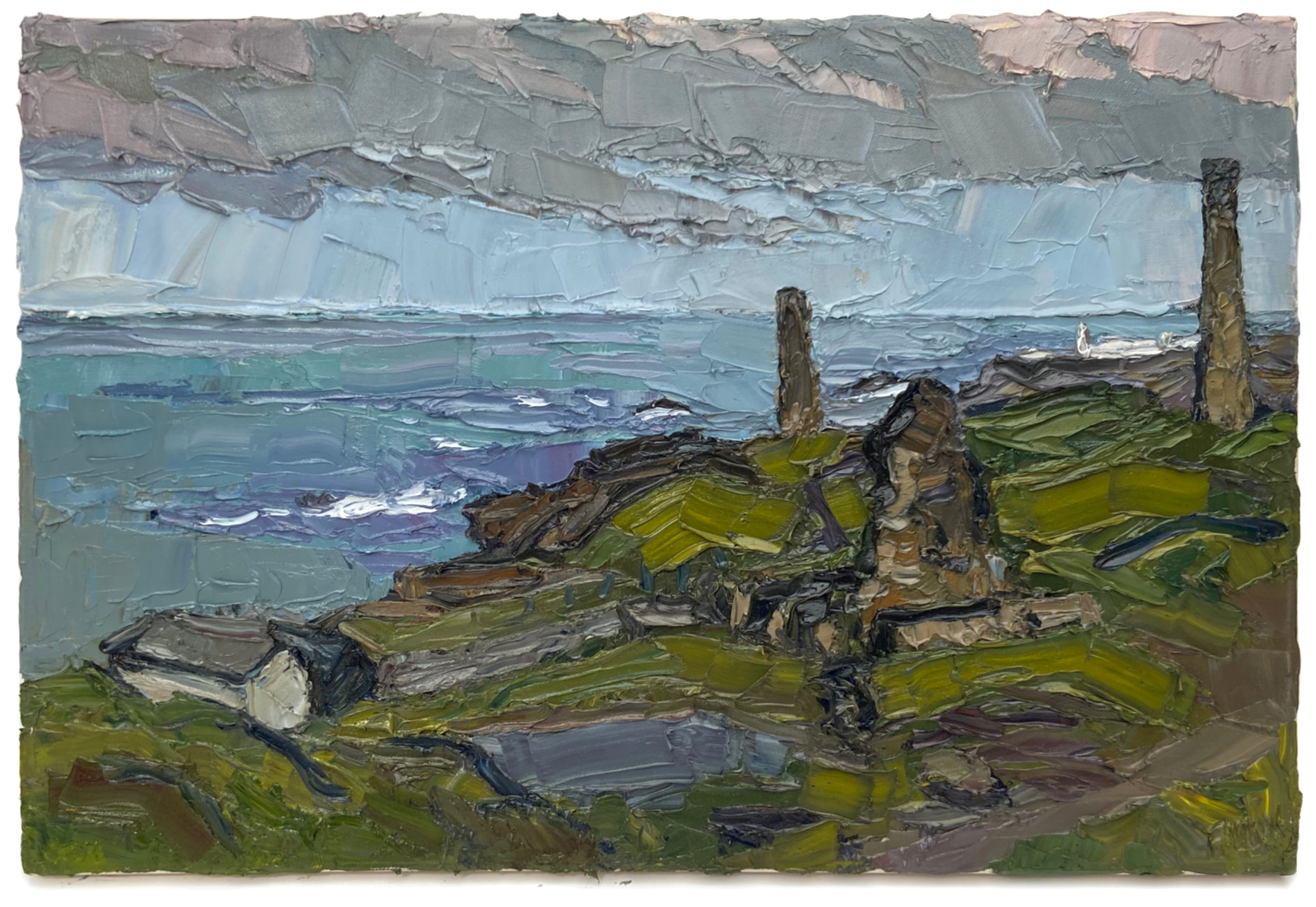
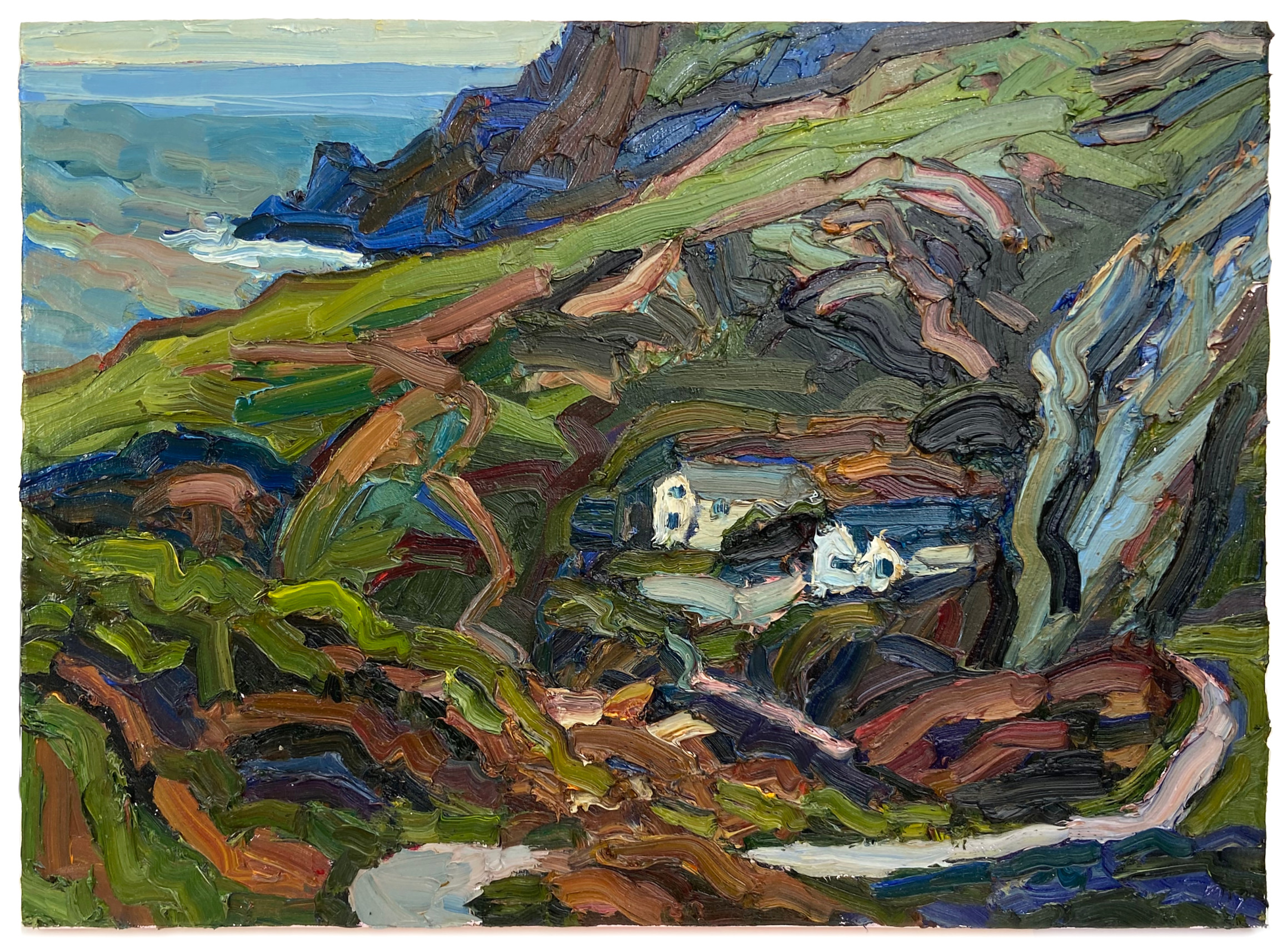
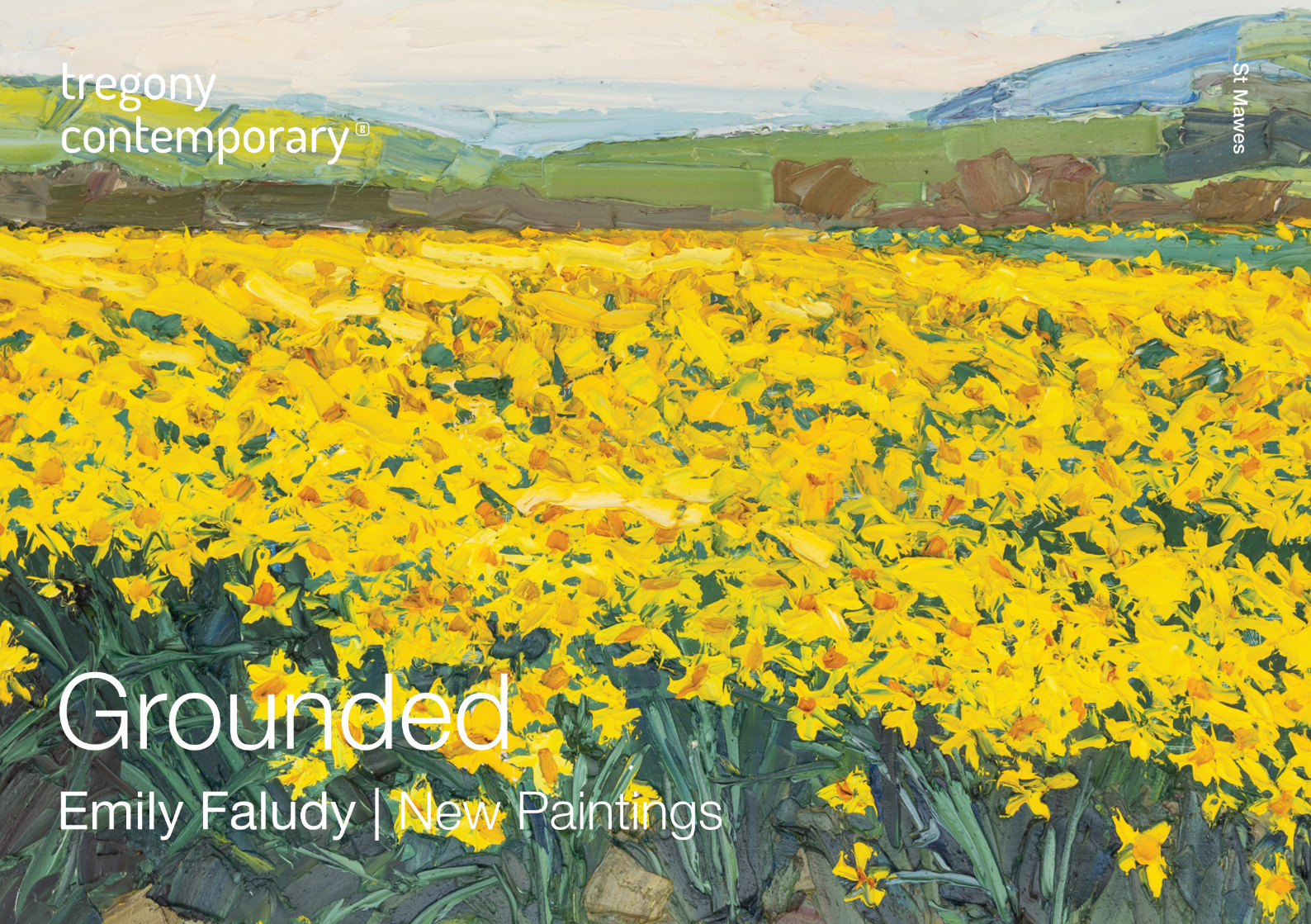
Grounded emerges from this period of concentrated looking. Faludy has always worked directly in front of her subject, but living within the landscape she paints has allowed that relationship to become more sustained. Places can be revisited, scrutinised and experienced through changing conditions. The resulting paintings are not concerned with presenting a picturesque Cornwall. Instead, Faludy searches for the forms and energies within what she sees: the structure of a harbour, the mass of land against water, the force of a breaking wave, or the exuberant growth and colour of flowers.
Her paintings begin in observation, but they are equally driven by the physical possibilities of paint. Working predominantly with a palette knife, Faludy builds, drags and scrapes oil across the surface. Paint can stand for something specific, water, earth, foliage, a flower head, before asserting its own material presence. Forms are compressed and simplified, colour intensified and surfaces allowed to accumulate until the painting begins to operate somewhere between the thing observed and the experience of encountering it.
This physicality is increasingly important to Faludy. She speaks of wanting the work to become more expansive and immersive, and of pushing both scale and paint further. Yet size alone is not the ambition. What she is searching for is intensity: paintings that are, in her words, “punchy, reverberating at a certain level of energy.”
That energy is already evident in the works gathered for Grounded. There is a directness to them, but also an increasing willingness to edit what is seen. Faludy can zoom into a subject, isolate a shape or allow an area of thickly worked colour to carry as much weight as the image itself. Observation remains the starting point, but not the limitation.
There is an interesting tension here. At the same moment that Faludy is looking more closely and becoming more deeply rooted in a particular place, her ambitions for painting are expanding outwards. The closer the scrutiny, the greater the desire for the painting to become an experience in itself.
The title Grounded therefore reaches beyond landscape. It describes a practice grounded in direct observation and physical presence: in standing before something, looking hard and responding while the experience is still immediate. But being grounded does not mean being still. These paintings belong to an artist testing how far that encounter can be pushed, through colour, scale, surface and the material energy of paint.
For Faludy, the subject remains the anchor. What happens in the painting is increasingly free.